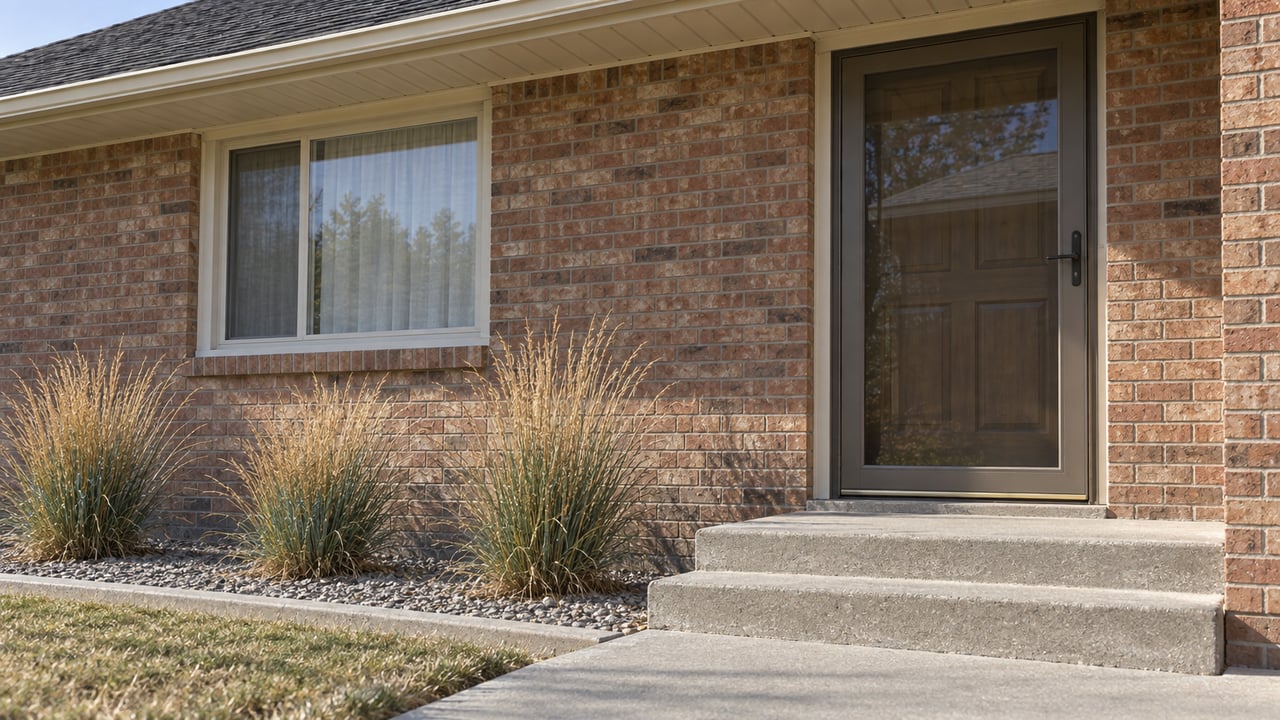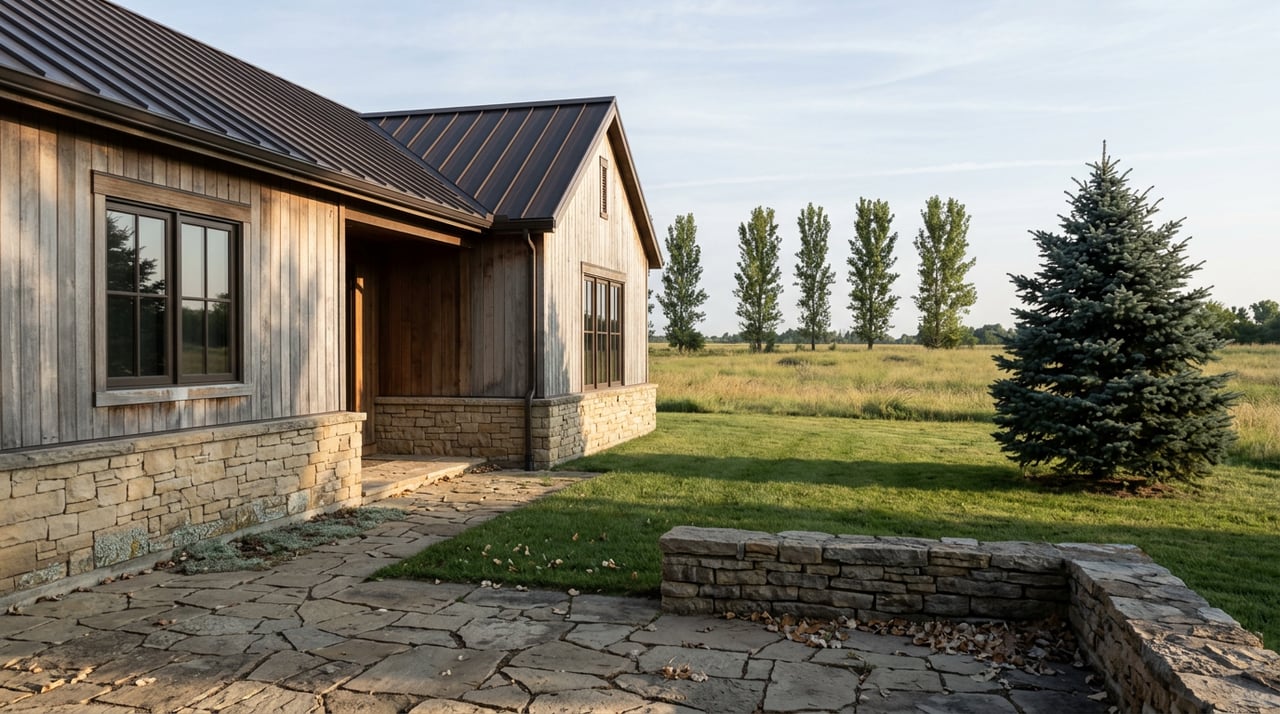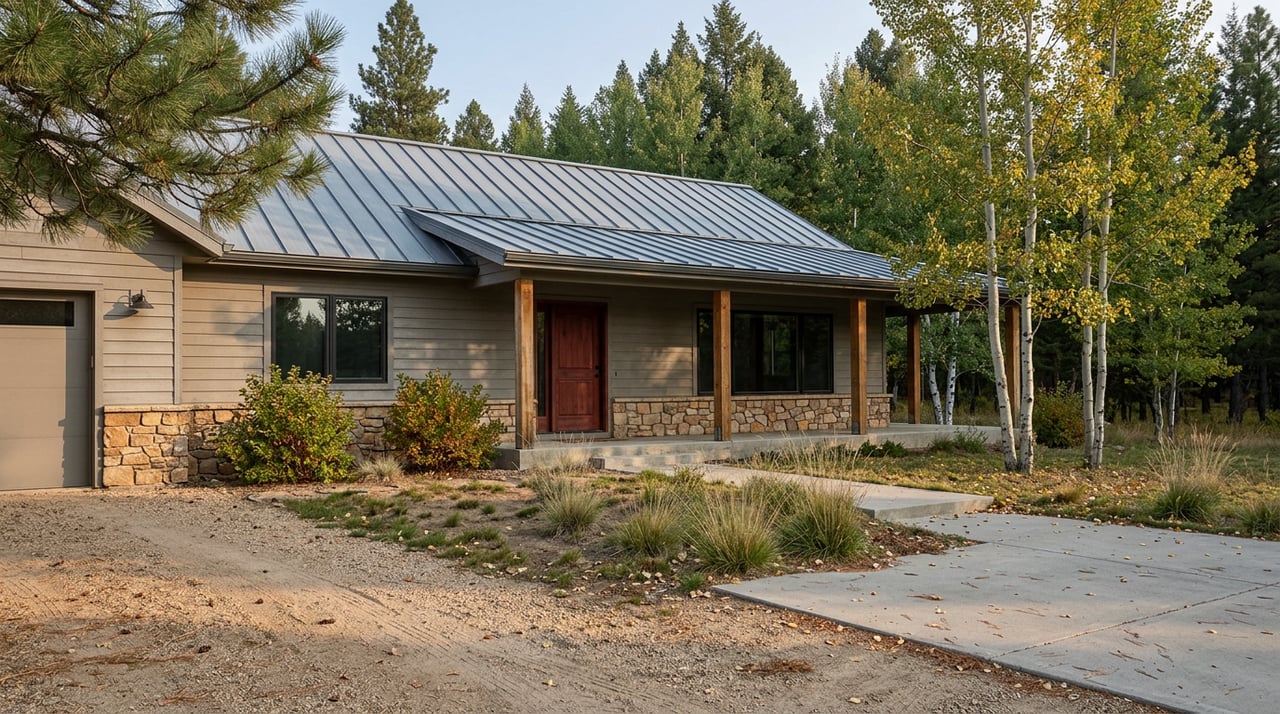
If you are searching for estate ranchettes and small acreage near Windsor, the biggest question is often not the house. It is whether the land actually fits how you want to use it. You may be picturing room for horses, a shop, a garden, or a little more space and privacy, but in this part of Weld County, water, zoning, septic, and covenants often shape what is truly possible. This guide will help you understand the key issues so you can evaluate acreage property near Windsor with more confidence. Let’s dive in.
Why Windsor acreage needs a closer look
Small acreage near Windsor sits in an area shaped by both rural land use and ongoing growth. According to the Weld County Comprehensive Plan, the county is managing rapid growth while also working to protect natural resources and maintain rural character.
That matters because a property outside town may still be influenced by future planning decisions. The Town of Windsor notes that its planning staff oversee annexations, zoning classification, and development review, and its mapping tools include municipal boundaries, the Growth Management Area, flood plain, land use, and zoning through the town’s Planning Department resources. For you as a buyer, that means a parcel can involve county rules today and town-related questions later.
What counts as a ranchette in Weld County
Around Windsor, the term "ranchette" is more of a market description than a formal legal category. In practice, the closest official fit may be Weld County’s Estate zone, rural land divisions, family farm divisions, or agricultural parcels, depending on the property.
Based on Weld County land-use standards, the common size benchmarks include:
- 2.5 acres in the E (Estate) zone
- 3 acres for a rural land division
- Up to 10 acres plus a 35-acre remainder in certain family farm divisions
- 35 acres for unplatted land in the A (Agricultural) zone
Weld County also states that public water is required to subdivide land, not well water alone, as outlined in its Estate zone guidance. That is one reason acreage opportunities can vary so much from parcel to parcel, even within the same general area.
Water often drives the property value
For small acreage near Windsor, water can be as important as location, views, or improvements. You want to know not just whether water reaches the house, but what kind of water it is, what it can be used for, and whether irrigation rights are part of the package.
Windsor’s treated water supply includes Colorado-Big Thompson units, North Poudre Irrigation Company shares, and Greeley-Loveland system water rights, according to the town’s drought management information. The town also explains that treatment is provided by the North Weld County Water District, the City of Greeley, and the Fort Collins-Loveland Water District.
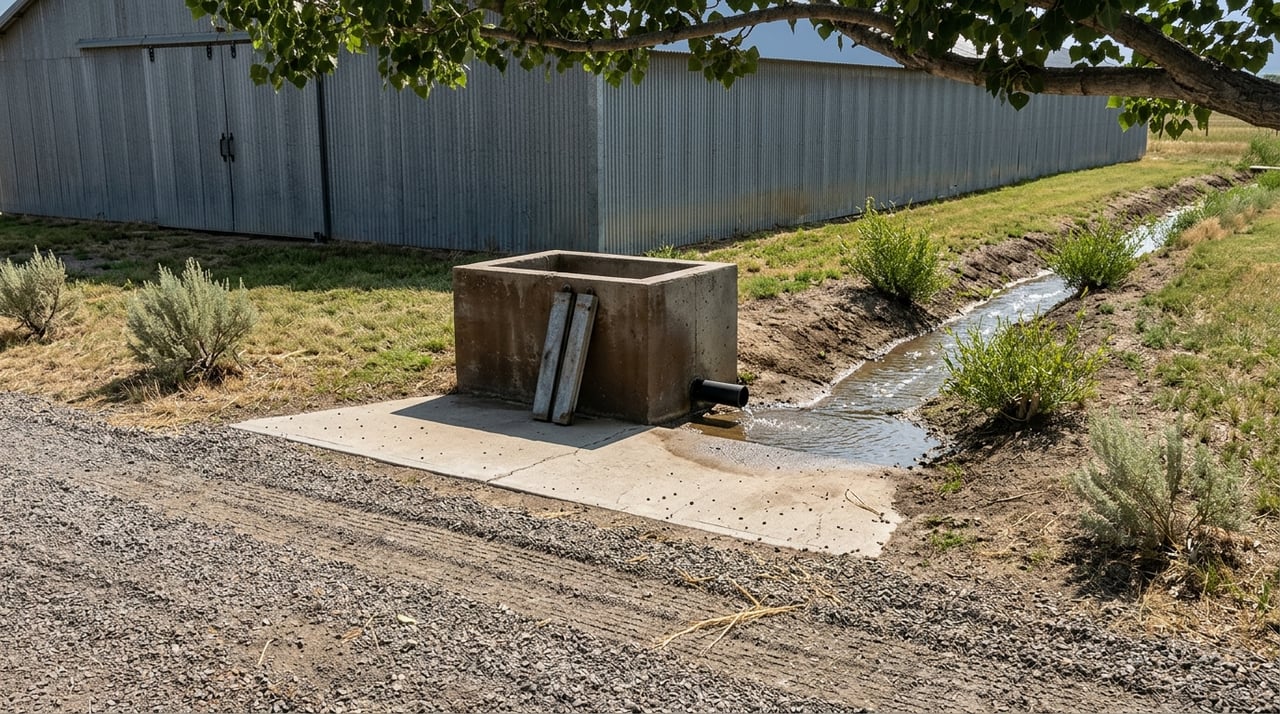
For landowners, ditch water can be a major part of the equation. The North Poudre Irrigation Company serves municipal stockholders, including Windsor, and also many small-acreage farms and ranches in part of its system. It operates about 19 reservoirs and roughly 200 miles of ditches, canals, and laterals.
That is why two properties with the same acreage can function very differently. One may have useful irrigation access or water shares, while another may rely only on limited household water.
Key water questions to ask
Before you move forward on a small-acreage property, ask:
- What is the potable water source?
- Are there any ditch shares or irrigation rights included?
- Is there a non-potable water source for pasture or landscaping?
- Are there any ditches, laterals, easements, or rights-of-way crossing the property?
These are not just smart buyer questions. Weld County’s rural land division application specifically asks applicants to document potable water, sewage disposal, irrigation practices, ditches, easements, rights-of-way, and access.
Wells on small acreage have limits
Many buyers assume a private well means broad freedom to water grass, keep animals, or irrigate a garden. In Colorado, that assumption can cause real problems.
According to CSU Extension, most wells on properties under 35 acres are household-use only. That usually means they cannot be used for lawns, gardens, livestock, or other outside uses. CSU also notes that properties of 35 acres or more can usually obtain a domestic-and-livestock well permit, with permitting handled by the Colorado Division of Water Resources.
For you, this means acreage size is not just about elbow room. It can directly affect the kind of well permit a property may qualify for and how practical your land-use plans really are.
Septic and sewer can affect cost and upkeep
Wastewater is another major issue that deserves close review. Some small-acreage properties near Windsor may have access to public sewer, while others rely on an onsite wastewater treatment system, often called septic.
Weld County states that public sewer is the most reliable and cost-effective option where feasible, but septic systems are common in sparsely populated areas, as explained on the county’s septic systems page. The county also recommends a septic inspection and tank cleaning before a change in ownership, even though it does not require a transfer-of-title inspection or use permit.
That recommendation is worth taking seriously. A septic system may work fine, but condition, maintenance history, and capacity all matter when you are buying rural property.
Horses and hobby use depend on zoning
If your goal is to keep horses or enjoy a small hobby-farm setup, zoning matters just as much as acreage. In Weld County’s E zone, the county limits animal units to one per gross acre, and a horse counts as one animal unit, according to the county’s animal unit table.
The county also applies animal-unit standards in other zoning categories, including A and R-1. So the number of horses, goats, poultry, or similar animals can vary based on both zoning and parcel size.
Rural living also means daily land management
Owning small acreage is often rewarding, but it comes with regular work. CSU Extension’s small acreage resources focus on fencing, pasture and range management, manure management, irrigation, weeds, and water because those issues come up again and again for rural owners.
CSU also notes that dryland small acreages may not supply forage year-round in Colorado, especially during drought years. Fencing is also essential for livestock on small acreage. In short, land that looks simple on paper may require more active management than many first-time acreage buyers expect.
Rural conditions are part of the deal
Weld County describes the area as dry, with a growing season of about 138 days, on its Live and Work page. The county’s right-to-farm statement also explains that well-run agricultural activity can create noise, dust, odor, smoke, slow-moving farm vehicles, and other off-site effects.
That does not mean a property is a poor fit. It simply means rural living near Windsor comes with conditions that are normal for an agricultural setting. If you are buying for space and a country feel, it helps to go in with clear expectations.
Covenants can matter as much as county rules
One of the biggest surprises in the ranchette market is that private covenants may limit uses even when county zoning seems to allow them. A property may meet county standards for animals or outbuildings, but an HOA or recorded covenant could still restrict what you can do.
The Colorado Department of Regulatory Agencies explains that HOA documents such as declarations, CC&Rs, bylaws, and rules are contracts that govern the owner-HOA relationship, and restrictive covenants can limit property use through its HOA guidance. Weld County also notes in its rural land division materials that an HOA is not required, but may be voluntarily created.
So when you review a property, do not stop with zoning. You also want to know whether private rules affect:
- Horses or other animals
- Shops or outbuildings
- RV parking
- Fencing standards
- Second dwellings or accessory structures
A practical checklist for Windsor acreage buyers
If you are evaluating estate ranchettes and small acreage near Windsor, this short checklist can help you focus on the issues that matter most:
- Confirm zoning and parcel size
- Verify potable water source
- Check for ditch shares or irrigation access
- Review well permit type and limitations
- Determine septic or sewer service
- Understand animal-unit limits
- Read all covenants, CC&Rs, and HOA documents
- Check whether the parcel falls in Windsor’s Growth Management Area
- Ask about easements, ditches, and access rights
- Match the property’s legal and physical setup to your intended use
Why technical guidance helps on acreage deals
A small-acreage purchase can look straightforward until you start sorting through water, land use, access, and utility details. That is especially true near Windsor, where county rules, private covenants, and growth-related planning can overlap.
When you are buying or selling land-based property, details matter. Water source, ditch shares, zoning, septic, and future planning context can all influence both usability and value. Working with a land-focused advisor can help you ask better questions early and avoid expensive surprises later.
If you are considering estate ranchettes or small acreage near Windsor, NorthStar Realty can help you evaluate the land beyond the listing sheet with practical guidance rooted in water, land-use, and rural property experience.
FAQs
What size qualifies as a small acreage property near Windsor?
- In practice, small acreage near Windsor may fall into several Weld County land categories, with common benchmarks including 2.5 acres in the Estate zone, 3 acres for a rural land division, and 35 acres for some agricultural parcels.
Can a well on Windsor-area small acreage water animals or pasture?
- Not always. According to CSU Extension, most wells on properties under 35 acres are household-use only and generally cannot be used for lawns, gardens, livestock, or other outside uses.
Are horses allowed on estate ranchettes in Weld County?
- It depends on zoning and acreage. In Weld County’s E zone, one horse counts as one animal unit, and the limit is one animal unit per gross acre.
Do Windsor-area ranchettes usually have septic systems?
- Some do. Weld County says public sewer is preferred where feasible, but septic systems are common in areas that are too sparsely populated for sewer service.
Do covenants affect how you can use small acreage near Windsor?
- Yes. HOA documents and restrictive covenants can limit uses such as animals, outbuildings, RV parking, fencing, or second structures, even if county zoning would otherwise allow them.
Why do irrigation shares matter on Windsor-area acreage?
- Irrigation access can affect how usable the land is for pasture, landscaping, or other rural purposes. In this market, ditch shares and non-potable water can be just as important as the home itself.